Healing After Birth: Overcoming Postpartum Depression
Becoming a mother is often described as the happiest time of life. While holding your baby brings joy, many mothers also face unexpected emotional struggles after delivery.

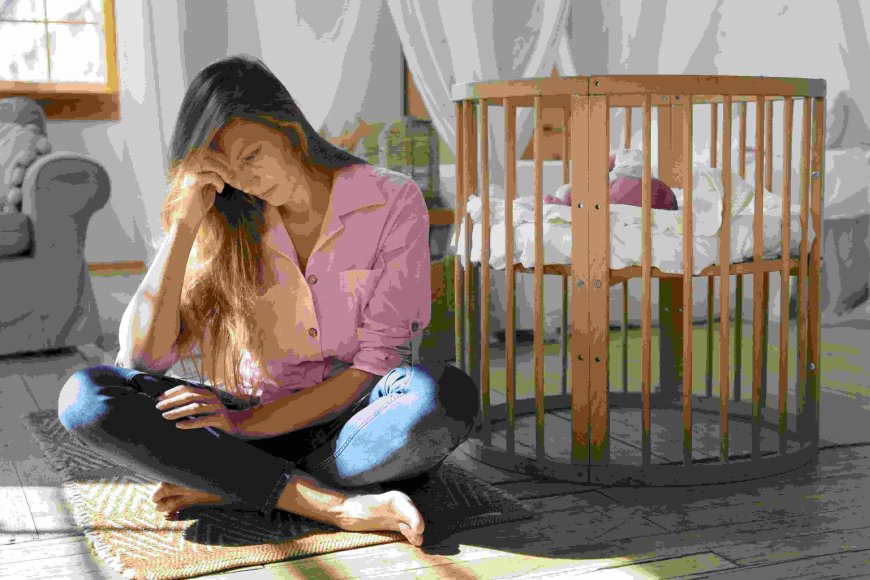
Becoming a mother is often described as the happiest time of life. While holding your baby brings joy, many mothers also face unexpected emotional struggles after delivery. Feeling sad, anxious, or overwhelmed after childbirth is more common than people think. This condition is called Postpartum Depression (PPD). The good news is that with the right support and care, it can be managed and overcome.
What is Postpartum Depression?
Postpartum Depression is a type of depression that happens after childbirth. Unlike normal tiredness or mood swings, PPD lasts longer and affects a mothers ability to care for herself and her baby. It is not a mothers fault, nor does it mean she is weak it is a medical condition that needs Postpartum Depression Counseling.
Common Symptoms of PPD
Every mothers experience is different, but some common signs include:
- Constant sadness, crying without reason
- Feeling anxious, restless, or worried all the time
- Trouble bonding with the baby
- Loss of interest in daily activities
- Difficulty sleeping or sleeping too much
- Feeling guilty, hopeless, or not good enough as a mother
- Fatigue or lack of energy
If these feelings last for more than two weeks, it may be PPD and should not be ignored.
Causes of Postpartum Depression
PPD does not have one single cause it usually happens due to a mix of physical, emotional, and social changes:
- Hormonal changes after delivery
- Physical recovery from childbirth, pain, or lack of rest
- Sleep deprivation due to babys needs
- Emotional stress of new responsibilities
- Lack of support from family or partner
How to Overcome Postpartum Depression
The journey of healing takes time, but small steps can bring big changes.
1. Talk About It
Dont keep your feelings inside. Share your emotions with your partner, family, or a close friend. Sometimes, simply being heard makes a huge difference.
2. Seek Professional Help
Doctors, counselors, or Postpartum Depression Therapist can guide you with treatments like therapy, support groups, or medicines (if needed). Asking for help is a sign of strength, not weakness.
3. Take Care of Your Body
- Eat nutritious meals whole grains, fruits, vegetables, and protein.
- Try gentle exercises or yoga to release stress.
- Rest whenever the baby sleeps to reduce exhaustion.
4. Build a Support System
Accept help from others for cooking, cleaning, or baby care. Having a nanny, japa maid, or family support can give mothers more time to rest and recover.
5. Be Kind to Yourself
Motherhood is challenging its okay to not be perfect. Celebrate small wins like feeding the baby, getting some rest, or simply taking a shower.
When to Seek Immediate Help
If a mother ever feels like harming herself or her baby, its important to seek medical help immediately. Postpartum depression is treatable, and no mother should suffer alone.
Book Child nutritionist here
Final Thoughts
Postpartum Depression is not a weakness it is a health condition that many new mothers experience. With the right care, emotional support, and professional help, recovery is absolutely possible. Healing takes time, but remember: a healthy and happy mother is the best gift for a baby.