


























Feeling Off Lately? Common Causes Behind Fatigue, Fainting, Fever, and Fatty Liver

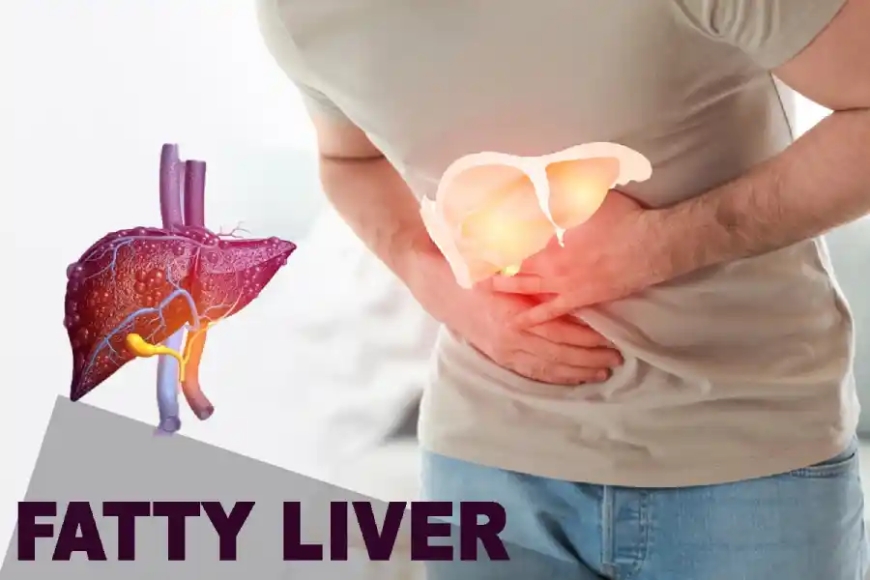
In todays fast-paced world, its easy to brush off symptoms like tiredness, light-headedness, or even mild fevers. However, these signs may be trying to tell us something deeper about our health. Lets break down four common yet often misunderstood symptoms: fainting, fatigue, fatty liver, and feverwhat they mean, when to worry, and how to take action.
1.Fainting: More Than Just a Drop in Blood Pressure
Fainting, or syncope, is a sudden and temporary loss of consciousness, typically due to a decrease in blood flow to the brain. While it can be harmless and situational (e.g., standing up too fast), recurring fainting episodes can signal underlying issues.
Common causes of fainting:
-
Dehydration or overheating
-
Low blood pressure (hypotension)
-
Irregular heart rhythms (arrhythmias)
-
Neurological conditions
-
Vasovagal syncope (triggered by stress, pain, or fear)
When to seek medical help:
-
Fainting with chest pain, shortness of breath, or confusion
-
Multiple episodes in a short time
-
Fainting after injury or during exercise
Diagnosis typically involves:
-
ECG or heart monitoring
-
Blood pressure tests
-
Neurological assessments
If you or someone you know has experienced an unexplained fainting spell, its crucial to read more about the causes and treatment of fainting.
2.Fatigue: Not Just Being Tired
Everyone feels tired occasionally, but chronic fatigue is different. It's persistent, not relieved by rest, and often affects concentration, memory, and quality of life.
What causes fatigue?
-
Sleep disorders (like sleep apnea or insomnia)
-
Nutritional deficiencies (e.g., iron, vitamin D, B12)
-
Thyroid imbalances
-
Mental health issues (depression, anxiety)
-
Chronic infections or inflammatory diseases
Key signs your fatigue is medical:
-
Ongoing tiredness despite adequate rest
-
Difficulty waking up or staying awake during the day
-
Fatigue paired with other symptoms like hair loss, weight changes, or brain fog
Lifestyle changes that may help:
-
Regular sleep schedule
-
Balanced diet rich in vitamins and minerals
-
Daily physical activity
-
Mindfulness or stress-relieving practices
Fatigue can be tricky to diagnose because its so common. Dive deeper into the symptoms and solutions for fatigue to better understand your energy drain.
3.Fatty Liver: The Silent Warning Sign
Fatty liver disease occurs when too much fat builds up in the liver cells. Often symptomless in early stages, its one of the fastest-growing liver conditions worldwideclosely linked to diet, alcohol, and metabolic health.
Types of fatty liver:
-
Non-Alcoholic Fatty Liver Disease (NAFLD): Most common, especially in people who are overweight or have diabetes.
-
Alcoholic Fatty Liver Disease: Related to heavy alcohol use.
Signs and symptoms (if any):
-
Fatigue or a general feeling of being unwell
-
Discomfort in the upper right abdomen
-
Unexplained weight loss
-
Elevated liver enzymes on routine blood tests
Risk factors:
-
Obesity
-
Type 2 diabetes or insulin resistance
-
High cholesterol or triglycerides
-
Poor diet (especially high-sugar or processed foods)
Managing fatty liver:
-
Weight loss through diet and exercise
-
Reducing sugar, refined carbs, and saturated fats
-
Avoiding or limiting alcohol
-
Monitoring liver function regularly
4.Fever: Bodys Alarm System
Fever is not a disease itself, but a sign that your body is fighting something offbe it an infection, inflammation, or another health condition.
When is it a fever?
A body temperature above 100.4F (38C) is generally considered a fever.
Common causes:
-
Viral infections (cold, flu, COVID-19)
-
Bacterial infections (UTIs, pneumonia, sinusitis)
-
Inflammatory conditions (arthritis, autoimmune diseases)
-
Heat exhaustion or certain medications
When to worry about fever:
-
Lasts more than 3 days
-
Very high fever (above 103F/39.5C)
-
Comes with a rash, stiff neck, confusion, or difficulty breathing
-
In infants, even a mild fever can be a sign of serious illness
Fever management tips:
-
Rest and hydrate well
-
Over-the-counter medications like paracetamol or ibuprofen (as advised)
-
Seek medical attention if symptoms worsen
For a comprehensive guide on what's causing your elevated temperature and how to treat it, visit DoctorSpots page on fever.
Take Control of Your Health
Many people ignore common symptoms until they become more serious. Heres a quick recap to help you stay proactive:
| Symptom | What to Watch For | When to See a Doctor |
|---|---|---|
| Fainting | Dizziness, blackouts, episodes while standing | Chest pain, multiple episodes, after injury |
| Fatigue | Persistent tiredness, brain fog, poor sleep | Not relieved by rest, affecting daily life |
| Fatty Liver | No symptoms at first; discomfort, liver enzyme rise | Obesity, diabetes, unusual blood test results |
| Fever | Mild or high temperature, chills, body aches | Lasts >3 days, very high, or with other signs |
Final Thoughts
Our bodies often give subtle (or not-so-subtle) signals when something is off. Fainting, fatigue, fever, and fatty liver may seem unrelated, but they all warrant attention when persistent or severe. Catching these issues early means more effective treatment and better long-term outcomes.
If youre experiencing any of these symptoms, explore the full details on DoctorSpots trusted platform:
Dont wait for symptoms to worsenstay informed, stay proactive, and take steps toward better health today.


