Early Detection Saves Lives: What to Know About Gynecologic Cancers
Gynecologic cancers affect millions of women worldwide, yet many remain unaware of the warning signs until it's too late.
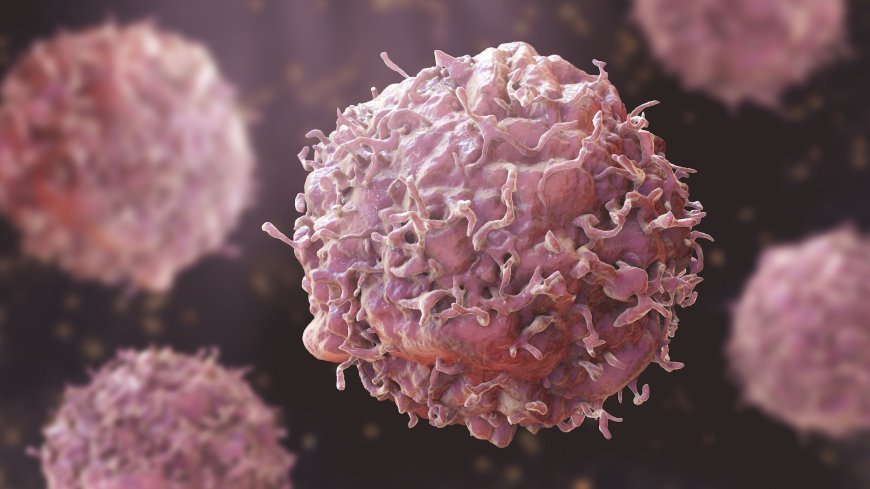
Gynecologic cancers affect millions of women worldwide, yet many remain unaware of the warning signs until it's too late. These cancers, which develop in a woman's reproductive organs, include cervical, ovarian, uterine, vaginal, and vulvar cancers. Understanding the importance of early detection can literally be the difference between life and death, as survival rates dramatically improve when these cancers are caught in their earliest stages.
Understanding the Five Types of Gynecologic Cancers
Cervical Cancer develops in the cervix, the lower part of the uterus that connects to the vagina. This type of cancer is largely preventable through regular screening and vaccination against human papillomavirus (HPV), which causes most cervical cancers. When detected early through Pap tests, cervical cancer has a five-year survival rate of nearly 92%.
Ovarian Cancer is often called the "silent killer" because symptoms can be subtle and easily mistaken for common digestive issues. It develops in the ovaries, fallopian tubes, or peritoneum. Unfortunately, most ovarian cancers are diagnosed at advanced stages because early symptoms are vague, making awareness of risk factors and symptoms crucial.
Uterine Cancer, also known as endometrial cancer, affects the lining of the uterus. It's the most common gynecologic cancer in the United States, with over 65,000 new cases diagnosed annually. The good news is that uterine cancer often causes noticeable symptoms early, particularly abnormal bleeding, leading to earlier detection and better outcomes.
Vaginal Cancer is rare, accounting for only about 1% of all gynecologic cancers. It typically affects older women and often develops slowly over many years. Most cases are linked to HPV infection, making prevention through vaccination and regular screening important.
Vulvar Cancer affects the external female genital area and is also relatively uncommon. Like vaginal cancer, it's often associated with HPV infection and typically develops slowly, making early detection possible with regular gynecologic exams.
The Critical Importance of Early Detection
Early detection transforms the prognosis for gynecologic cancers dramatically. When cervical cancer is caught at stage 1, the five-year survival rate approaches 93%. However, when diagnosed at stage 4, survival drops to just 17%. Similar patterns exist across all gynecologic cancers, underscoring why regular screening and awareness of symptoms are so vital.
The challenge lies in the fact that many gynecologic cancers develop without obvious early symptoms, or their symptoms mimic common, less serious conditions. This is why routine screening becomes essential, even for women who feel perfectly healthy. Regular gynecologic exams, Pap tests, and HPV testing can detect precancerous changes before they become invasive cancers.
Recognizing Warning Signs and Symptoms
While symptoms vary by cancer type, certain warning signs should never be ignored. Abnormal vaginal bleeding is perhaps the most important symptom to watch for, particularly bleeding between periods, after intercourse, or after menopause. Any unusual vaginal discharge, especially if it's bloody or has a foul odor, warrants immediate medical attention.
Pelvic pain or pressure that persists and cannot be explained by normal menstrual cycles or other benign conditions should be evaluated. Bloating, particularly when persistent and accompanied by other symptoms, can indicate ovarian cancer. Changes in bowel or bladder habits, unexplained weight loss, and persistent fatigue are also potential warning signs.
For ovarian cancer specifically, women should be aware of the acronym BEAT: Bloating that's persistent, Eating difficulties or feeling full quickly, Abdominal pain, and Trouble with bladder or bowel function. When these symptoms occur daily for more than a few weeks, medical evaluation is essential.
Risk Factors You Should Know
Understanding risk factors helps women make informed decisions about screening and prevention. Age is a significant factor, with most gynecologic cancers occurring in women over 50. However, cervical cancer can affect women in their 20s and 30s, highlighting the importance of early and regular screening.
Family history plays a crucial role, particularly for ovarian cancer. Women with close relatives who had ovarian, breast, or colorectal cancer may have inherited genetic mutations like BRCA1 or BRCA2 that significantly increase cancer risk. Genetic counseling and testing can help identify these high-risk individuals.
HPV infection is the primary risk factor for cervical and many vaginal and vulvar cancers. Most sexually active individuals will contract HPV at some point, but persistent infection with high-risk types can lead to cancer. This makes HPV vaccination and regular screening crucial preventive measures.
Other risk factors include obesity, diabetes, hormone replacement therapy, and certain reproductive factors like never having children or having children later in life. While many risk factors cannot be changed, awareness allows for more vigilant monitoring and earlier intervention when necessary.
Screening Guidelines and Prevention Strategies
The United States Preventive Services Task Force recommends that women begin cervical cancer screening at age 21. Women aged 21-29 should have Pap tests every three years, while those 30-65 can choose either Pap tests every three years or combined Pap and HPV testing every five years. Women over 65 who have had adequate screening with normal results can stop screening.
Unfortunately, there are no routine screening tests for ovarian, uterine, vaginal, or vulvar cancers for average-risk women. This makes awareness of symptoms and regular gynecologic exams even more important. Women at high risk due to genetic factors may benefit from specialized screening protocols developed in consultation with oncology specialists.
Prevention strategies focus heavily on HPV vaccination, which can prevent up to 90% of cervical cancers. The vaccine is most effective when given before sexual activity begins, typically recommended for preteens, but can benefit women up to age 45. Maintaining a healthy weight, not smoking, and limiting hormone therapy duration can also reduce risk.
The Role of Second Opinions in Cancer Care
When facing a gynecologic cancer diagnosis, seeking a cancer second opinion can provide valuable peace of mind and ensure the most appropriate treatment plan. Cancer treatment has become increasingly specialized, and different oncologists may have varying approaches to treatment based on their experience and institutional protocols.
A second opinion is particularly important for rare gynecologic cancers or complex cases where multiple treatment options exist. It can confirm the initial diagnosis, provide alternative treatment perspectives, or introduce innovative therapies that may not have been initially considered. Many insurance companies actually encourage second opinions for cancer diagnoses, recognizing their value in ensuring optimal care.
Advanced Diagnostic Technologies
Modern medicine offers sophisticated diagnostic tools that improve early detection rates. Transvaginal ultrasound can detect ovarian masses and uterine abnormalities that might not be felt during physical examination. Advanced imaging techniques, including CT scans and MRI, provide detailed pictures of internal organs and can help stage cancers accurately.
When concerning findings appear on imaging studies, obtaining an MRI second opinion doctor consultation can ensure accurate interpretation. Radiological interpretation can sometimes vary, and a second expert opinion on imaging studies can influence treatment planning significantly.
Tumor markers, blood tests that measure certain proteins associated with specific cancers, can aid in diagnosis and monitoring treatment response. While not definitive diagnostic tools on their own, they provide valuable information when combined with other clinical findings.
Building Your Healthcare Team
Early detection requires a collaborative approach between patients and healthcare providers. Establishing a relationship with a gynecologist who understands your individual risk factors and health history is fundamental. Regular annual exams, even when feeling well, create opportunities for early detection and preventive care discussions.
For women with complex medical histories or multiple specialists, coordination becomes crucial. Just as some patients might benefit from a cardiac second opinion for heart conditions, gynecologic health may require input from multiple specialists including gynecologists, oncologists, and genetic counselors.
Taking Action: Your Next Steps
Early detection of gynecologic cancers saves lives, but it requires active participation from women in their healthcare. Schedule regular gynecologic exams, stay current with screening recommendations, and don't ignore persistent symptoms that concern you. Trust your instincts – you know your body better than anyone else.
Educate yourself about your family history and discuss it with your healthcare providers. Consider HPV vaccination if you haven't received it, and encourage age-appropriate vaccination for your daughters and sons. Remember that prevention and early detection are powerful tools in the fight against gynecologic cancers.
The landscape of gynecologic cancer treatment continues to evolve, with new therapies and diagnostic techniques offering hope for better outcomes. However, the most powerful tool remains early detection through awareness, regular screening, and prompt attention to concerning symptoms. Your life may literally depend on taking these steps seriously.