


























Classic 2.0 as a Rapid Screening Tool for Real-Time Air Pollution Monitoring

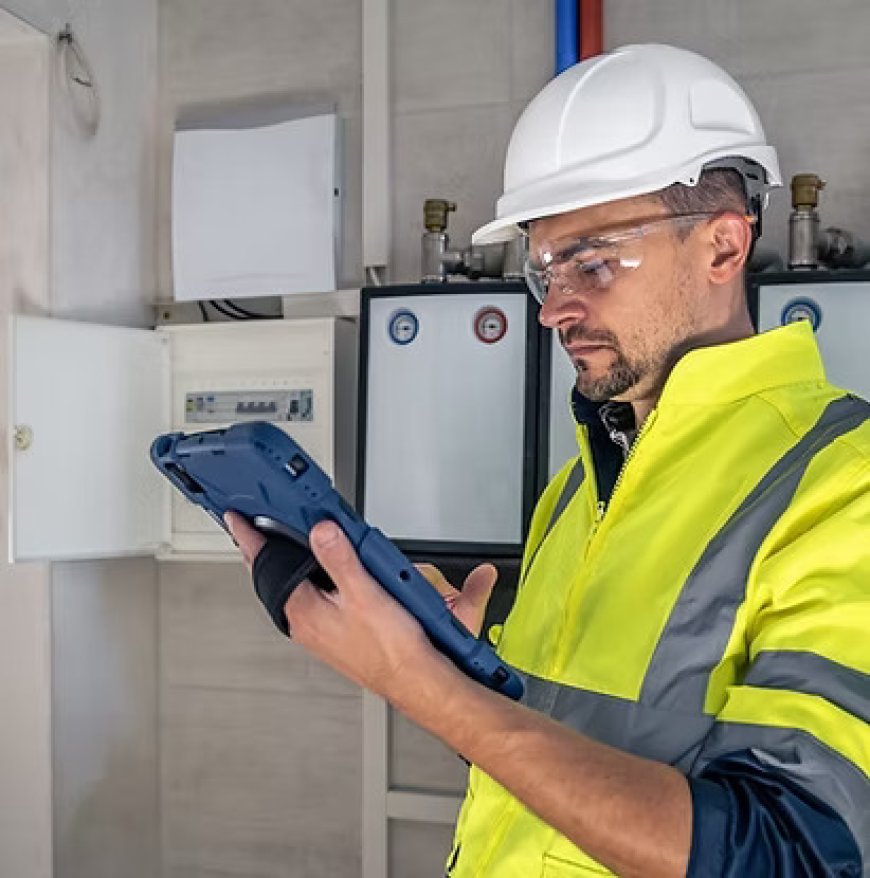
Monitoring air quality accurately is critical for managing potential pollution sources effectively. The Classic 2.0 serves as a rapid screening tool, providing immediate, real-time data on airborne contaminants. Its ability to capture detailed readings ensures informed decisions during active monitoring operations. With its advanced sensors, Classic 2.0 is able to detect multiple pollutants simultaneously, giving a comprehensive overview of current air conditions. This makes it particularly useful for areas that require precise, continuous monitoring.
How Classic 2.0 Captures Air Pollutants
Classic 2.0 uses advanced sensors to detect various chemical compounds in the air. It continuously collects samples and provides real-time readings, allowing teams to assess pollutant levels instantly. The device’s sensitive detection mechanisms make it suitable for areas requiring constant air quality surveillance. By capturing minute changes in pollutant concentrations, Classic 2.0 ensures that even short-term spikes are detected, preventing overlooked environmental concerns.
Quick Deployment in Diverse Locations
Designed for flexibility, Classic 2.0 can be deployed across multiple locations with minimal setup. Whether monitoring perimeter areas, construction zones, or other sensitive sites, the system maintains consistent data accuracy. This rapid deployment reduces downtime and ensures continuous coverage of the area under observation. Additionally, its compact design allows it to be transported easily between locations, making it convenient for temporary or mobile monitoring needs.
Integration with Data Management Platforms
Data from Classic 2.0 is seamlessly integrated into digital platforms, offering clear visualization and analysis. Users can track trends, set thresholds, and receive alerts if pollutant levels exceed safe limits. The integration enhances the efficiency of monitoring operations, making real time air pollution monitoring system execution smoother and more precise. By centralizing data collection, teams can manage multiple devices from a single interface, allowing for synchronized monitoring across large areas.
Continuous Air Sampling
Classic 2.0 performs continuous air sampling to detect fluctuations in pollutant concentrations. This continuous mode ensures no transient events go unnoticed, allowing teams to respond immediately to changing conditions. The system’s consistent sampling improves reliability and supports accurate decision-making in high-priority areas. Continuous data collection also allows for deeper analysis of pollutant trends over time, helping to identify potential sources of emissions and seasonal patterns.
Automated Alerts and Reporting
With automated alerts, Classic 2.0 notifies users when detected concentrations exceed predefined parameters. Reports generated by the system provide detailed information on pollutant types, levels, and exposure durations. These automated features help in maintaining operational awareness and ensuring data-driven interventions. The reports can be exported in multiple formats, making them useful for presentations, documentation, or long-term record-keeping.
Enhancing Rapid Screening Operations
As a rapid screening tool, Classic 2.0 reduces the time between sampling and actionable insights. Its high responsiveness allows monitoring teams to identify potential hazards quickly. The device’s performance supports swift operational adjustments, preventing prolonged exposure to elevated pollutant levels. It is particularly valuable for emergency response scenarios where immediate information is critical for planning mitigation strategies.
Optimizing Monitoring for Project Boundaries
Classic 2.0 is suitable for monitoring project boundaries or areas adjacent to industrial or construction sites. Its accurate data helps in evaluating how activities affect local air quality. By providing reliable readings, it supports precise management of ongoing operations and ensures that monitoring objectives are met. Teams can adjust monitoring frequency and placement of the device based on real-time data, optimizing resource allocation and ensuring coverage of critical points.
User-Friendly Mobile Interface
The system comes equipped with a mobile interface that simplifies data access. Users can view live readings, download reports, and manage alerts from remote locations. This mobility ensures that monitoring staff can respond promptly, even when away from the device, enhancing operational efficiency and reliability. The interface also allows for configuration of the device settings, ensuring customized monitoring parameters for specific projects or locations.
Long-Term Data Collection
Classic 2.0 is capable of storing large volumes of historical data, making it valuable for trend analysis and long-term assessment. These records support comprehensive evaluations of air quality changes over time. The ability to compare historical and current data provides critical insights into pollution patterns and the effectiveness of mitigation efforts. Long-term data is also beneficial for reporting purposes, audits, and for informing future project planning and monitoring strategies.
Final Say:
Classic 2.0 stands out as an essential rapid screening tool for professionals conducting air quality assessments. Its features streamline detection, provide real-time insights, and support timely responses to pollutant fluctuations. By integrating this technology into ongoing operations, teams can maintain high monitoring standards and support effective vapor intrusion screening and testing. Its continuous sampling, automated alerts, and mobile interface make it a comprehensive solution for real-time air pollution monitoring, ensuring reliable data collection and actionable insights across diverse locations.


