Bilingual Preschool: Preparing Children for a Multilingual Future

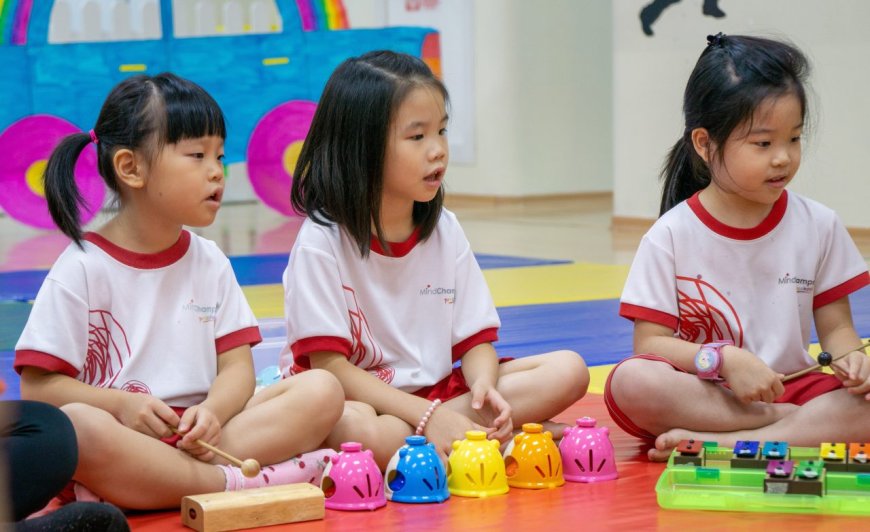
As the world becomes more interconnected, parents are looking for educational opportunities that prepare children to succeed in diverse environments. One of the fastest-growing trends is the rise of bilingual preschools, which immerse young learners in two languages before they even enter kindergarten.
What Makes a Bilingual Preschool Different?
A bilingual preschool differs from traditional childcare by incorporating two languages into everyday instruction. Children may spend part of the day learning in English and the other part in a second language such as Spanish, French, or Mandarin. Some preschools use full immersion, while others alternate between languages.
Benefits of Bilingual Preschools
-
Cognitive Development – Bilingual children develop stronger problem-solving and critical-thinking skills.
-
Early Literacy – Exposure to multiple languages strengthens reading and writing abilities in both.
-
Cultural Awareness – Children learn traditions, songs, and stories from different cultures.
-
Confidence in Communication – Starting young reduces fear of speaking a second language later in life.
Teaching Models in Bilingual Preschools
There are two main models:
-
Immersion Programs – Children are fully surrounded by one language for part or all of the day.
-
Dual-Language Programs – Instruction is split between English and another language.
Both models work, but immersion tends to produce quicker fluency.
Languages Commonly Offered
In the U.S., the most common languages in bilingual preschools are Spanish, French, Mandarin, and German. Spanish dominates due to its cultural relevance and large native-speaking population.
What Parents Should Consider
-
Teacher qualifications and native fluency.
-
The ratio of English to the second language.
-
Curriculum balance between play, academics, and cultural education.
-
Location and affordability.
Success Stories
Many parents report that children graduating from bilingual preschools outperform peers academically, adapt better socially, and retain long-lasting appreciation for multiple cultures.
Conclusion
Bilingual preschools are not only about learning a language—they are about preparing children for a global future. By building bilingualism early, parents give their children the tools to thrive in education, career, and social life.