


























Aircraft Maintenance Services for Safety and Reliability
Learn how expert aircraft maintenance services ensure flight safety, reliability, and efficiency. Explore benefits, types, and tips for choosing the best provider.

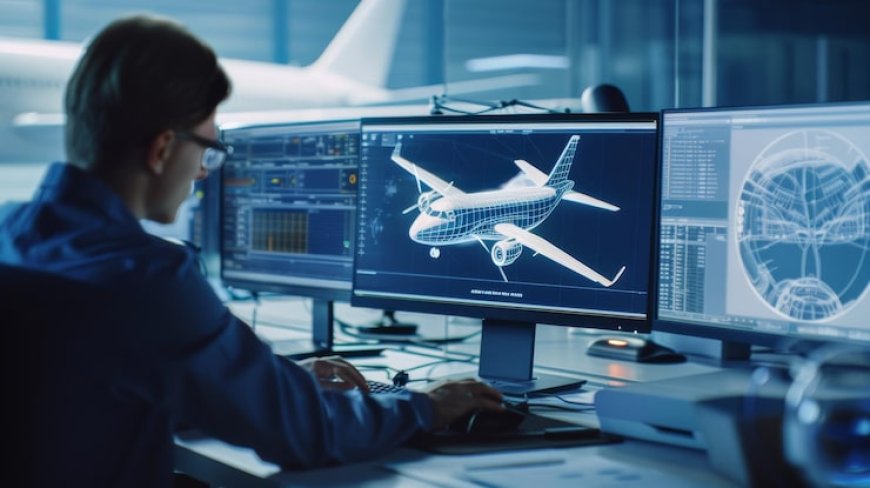
Every flight depends on safety, precision, and expert care. Airplanes operate under immense stress, making regular inspections and repairs vital to ensure safe journeys. Professional aircraft maintenance services are the backbone of aviation safety, keeping planes reliable, efficient, and compliant with industry standards. This article explores the importance of maintenance, types of services available, benefits of professional care, and how to select the right provider.

The Importance of Aircraft Maintenance
Aircraft maintenance is critical not only for passenger safety but also for operational efficiency. A single undetected fault can jeopardize hundreds of lives and lead to costly downtime. Proper maintenance ensures compliance with aviation regulations while preventing mechanical failures. Well-maintained aircraft also consume less fuel, reduce operating expenses, and extend the life of vital components.
Types of Aircraft Maintenance Services
Different levels of maintenance are performed to ensure safe and smooth operations:
Routine Checks
Routine inspections are done before and after flights. These include checking fuel systems, brakes, control surfaces, and lights to ensure the plane is ready for departure.
Scheduled Maintenance
Airplanes undergo scheduled checks at specific intervals based on flight hours or calendar days. This can include oil changes, part replacements, lubrication, and in-depth inspections of major systems.
Unscheduled Repairs
Unexpected issues such as hydraulic leaks or electrical failures require immediate attention. Skilled technicians handle unscheduled repairs promptly to avoid grounding the aircraft longer than necessary.
Major Overhauls
Overhauls involve dismantling and rebuilding engines, landing gear, and other critical systems. This restores the aircraft to peak condition and ensures long-term safety and efficiency.
Benefits of Professional Maintenance
Working with certified professionals provides a range of advantages:
-
Safety assurance: Early detection of issues reduces risks.
-
Cost efficiency: Prevents expensive repairs by addressing minor problems early.
-
Regulatory compliance: Ensures aircraft meet FAA and international standards.
-
Performance optimization: Maintains fuel efficiency and smooth flight operations.
-
Extended service life: Helps aircraft remain operational longer.
Choosing the Right Maintenance Provider
Selecting the right provider is key to reliable outcomes. Consider these factors:
-
Certifications and Experience: Ensure technicians are trained and licensed by recognized authorities.
-
Service Range: A full-service provider should handle everything from inspections to overhauls.
-
Technology Use: Advanced diagnostic equipment ensures precision in detecting issues.
-
Reputation: Reviews and client testimonials reflect reliability and trustworthiness.
Why People Search “Aviation Maintenance Near Me”
Convenience plays a big role in choosing a service provider. Aircraft owners and operators often look for aviation maintenance near me to ensure faster response times, reduced downtime, and local support. Local providers also build stronger relationships with clients by offering personalized service.
Role of Technology in Maintenance
Modern aviation relies heavily on technology. Predictive maintenance tools, sensors, and advanced diagnostic systems now detect faults earlier than traditional methods. For example, predictive analytics can monitor engine performance and forecast when components need replacing, preventing unexpected breakdowns.
Challenges in Aircraft Maintenance
Maintaining an aircraft comes with challenges such as high costs, supply chain delays, and the need for highly trained specialists. Weather disruptions and unplanned mechanical failures can also strain schedules. Despite these hurdles, consistent maintenance ensures reliability and safety in every flight.
Best Practices for Aircraft Owners
Aircraft owners can support maintenance providers by following best practices:
-
Keep detailed records: Track flight hours and past repairs.
-
Schedule regular inspections: Don’t wait for issues to appear.
-
Partner with trusted providers: Work with certified professionals to ensure compliance and quality.
-
Invest in technology: Utilize real-time monitoring tools for predictive maintenance.
Conclusion
Aircraft maintenance is the foundation of safe, reliable, and cost-effective flying. From routine checks to complete overhauls, every aspect of maintenance ensures compliance, efficiency, and longevity. Choosing certified providers equipped with modern tools makes a significant difference in performance and peace of mind. Regular maintenance is not just about meeting regulations—it’s about ensuring every passenger and crew member flies safely.
FAQs
1. How often should aircraft undergo scheduled maintenance?
Scheduled maintenance depends on flight hours, number of cycles, and calendar intervals. Smaller inspections may happen frequently, while major checks occur less often but are more detailed.
2. What are the most common unscheduled aircraft repairs?
Typical unscheduled repairs include electrical issues, hydraulic leaks, tire replacements, and minor engine concerns. These require immediate attention to prevent delays.
3. Why is certified maintenance more reliable than non-certified work?
Certified maintenance meets aviation authority standards, ensuring safety, regulatory compliance, and long-term efficiency. Non-certified work may overlook critical safety requirements.


