Advancing Technology Through Modern System Modeling
Discover how system modeling advances technology, boosts safety, and reduces costs. Learn its role in industries and innovation today.

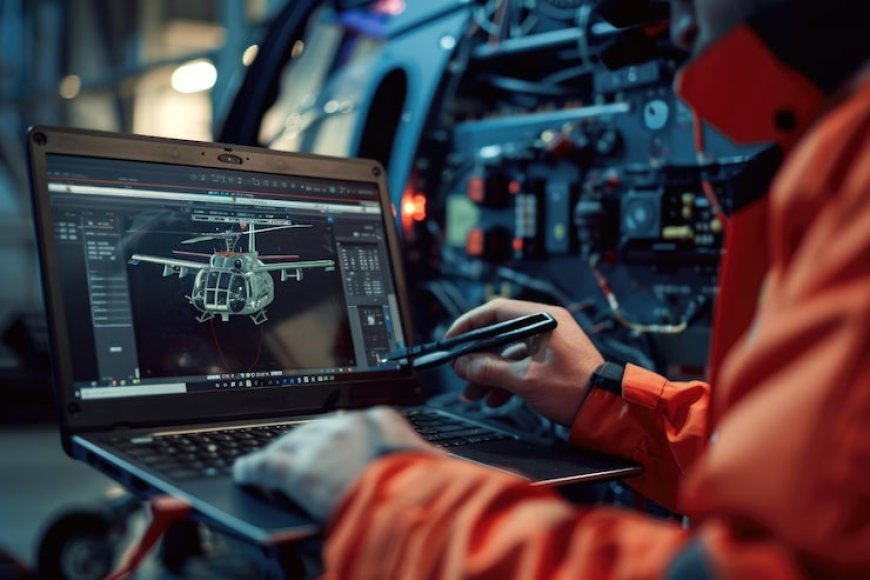
Technology and engineering are constantly evolving, and the demand for faster, safer, and more efficient solutions has never been higher. One of the most effective methods helping industries achieve this is system modeling. This approach allows engineers to build digital versions of real-world systems, test them virtually, and optimize designs before physical production. From saving resources to enhancing safety, system modeling is becoming a foundation for innovation in industries worldwide.
What Exactly is System Modeling?
System modeling is the creation of a virtual model of a system—be it mechanical, electrical, or software-based—that can be analyzed under different conditions. This process allows engineers to simulate scenarios, identify potential flaws, and improve the system’s design long before it is built.
Advantages of System Modeling
Reduced Development Costs
By testing ideas in a digital space, companies avoid repeated prototype building, which significantly lowers costs.
Improved Efficiency
System modeling accelerates development cycles, enabling faster delivery of new technologies to the market.
Enhanced Accuracy
By integrating real-world data, digital models can reflect reality with great precision, ensuring predictions are reliable.
Risk Mitigation
Critical failures can be avoided because systems are stress-tested in safe, controlled digital environments.
Where is System Modeling Applied?
System modeling is applied across multiple industries, each benefiting in unique ways:
-
Aerospace: Ensuring aircraft meet safety standards and optimizing fuel efficiency.
-
Automotive: Designing safer vehicles and supporting electric and self-driving technologies.
-
Energy: Improving renewable technologies like wind turbines and solar power systems.
-
Healthcare: Creating models of medical devices and biological systems for safer treatments.
Aviation Training and Simulation
Aviation is one of the fields where system modeling has made the greatest impact. By using advanced simulators, pilots train for real-world conditions without risks. A flight simulator setup provides realistic scenarios that help pilots and engineers test safety protocols, emergency procedures, and new system designs. These digital environments save costs, enhance learning, and improve safety standards.
System Modeling as a Driver of Innovation
Innovation often requires trial and error, but physical testing can be too slow and expensive. System modeling speeds up this process by allowing countless scenarios to be tested instantly. Car manufacturers use it to model crash tests virtually, while space exploration agencies rely on it to predict spacecraft behavior in extreme conditions. This flexibility helps industries stay competitive and achieve breakthroughs more rapidly.
The Next Generation of System Modeling
Emerging technologies like artificial intelligence, machine learning, and digital twins are making system modeling even more powerful. Digital twins, for example, provide a real-time connection between a physical system and its digital counterpart, enabling continuous monitoring and improvements. This integration will make system modeling smarter, more predictive, and even more essential for future industries.
Conclusion
System modeling is more than a support tool—it is a critical driver of progress in engineering and technology. By reducing risks, cutting costs, and enabling rapid innovation, it allows industries to solve complex challenges and deliver safer, more efficient systems. From aviation to healthcare, the benefits of system modeling are shaping a future where technology is smarter, faster, and more reliable than ever before.
FAQs
Q1: Why is system modeling important in aviation?
A1: It allows pilots and engineers to train and test systems in safe, digital environments, improving safety and reducing costs.
Q2: How does system modeling help with product innovation?
A2: It provides virtual testing grounds where engineers can refine designs quickly without relying on costly prototypes.
Q3: Will system modeling become more common in the future?
A3: Yes, with AI, machine learning, and digital twins, system modeling is expected to be central to decision-making in most industries.