10 Jobsite Mistakes That Can Cause Big Damage To Your Machines
Everyday habits on the jobsite can quietly wear down your machines. Avoiding these 10 common mistakes could save you thousands in repair costs.

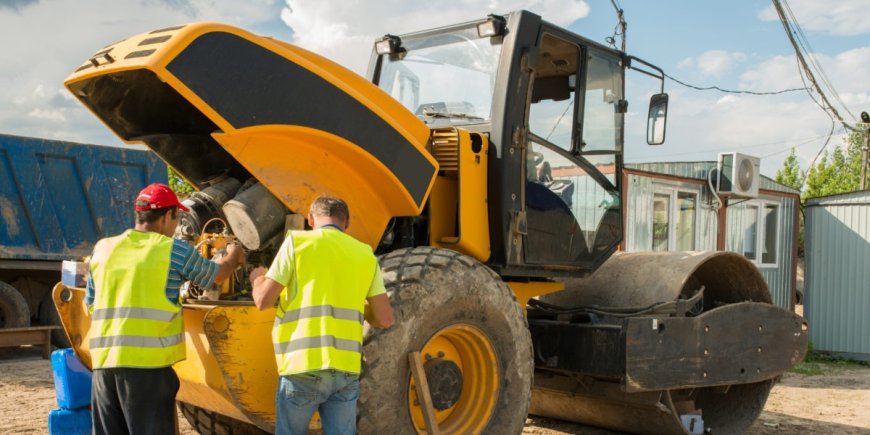
Heavy machinery does not come cheap and neither does the standstill that is a result of unforeseen repairs. The actual issue, however, is not just that of wear and tear. It is the little errors which one commits day in day out at the jobsite that peel away at the performance of a machine. It can cause serious harm and an increase in cost of ownership as it feels like a small negligence or time wasting. It is not about working, but working smart. Some few changes in habits can be all that is needed to determine the durability of your machines.
Ignoring Daily Pre-Operation Inspections
One of the most frequent omissions is the omission of the daily walkaround. This may seem to be a waste of time when it was working perfectly yesterday but a lot can happen within 24 hours. Leaking hydraulics, snapped hoses, low-pressure tires, or worn-out tracks do not magically repair by themselves. And what begins as a small problem can become a very expensive failure once detected too late. These checks are not a mere formality, but the most effective way of maintaining health of equipment and staying on schedule.
Excessive Idling
It might not sound like a big deal to have machines sitting and idling away long hours but the fact is they are idle and not working. That is the issue. As the engine is operating, fuel is being consumed, emissions systems are strained and useless miles are racked up on the odometer. Idling also causes soot to accumulate in the filters and overloading of cooling systems. In the long term, it will reduce the efficiency of the engine, block the parts, and decrease the durability of significant systems. When something is wrong with the machine, turn it off. It is as easy as that.
Running Machines Outside Manufacturer Limits
A machine is always made to do more, but pushing heavy machinery beyond its rated capacity or operating on terrain its not built for is a shortcut to disaster. Overfilling a bucket, overextending a boom, or working on steep slopes puts immense strain on the machines structure, engine, and hydraulics. That strain eventually leads to cracked frames, blown seals, or failed transmissions. While working within the recommended limits may seem slower, its the only way to keep the machine alive, reliable, and fully functional over the long haul.
Poor Communication Between Operators and Ground Crew
The smooth flow of communication is the key to a well-oiled jobsite. Failure in the communication between the operator and the ground team usually leads to abrupt stops, jerkiness or misuse of attachments. Every wrong move puts additional pressure on the equipment and leaves the way to collision or uneven wear. The machine components, particularly hydraulics and joints, are not good at dealing with sudden abuse. Open and frequent communication does not only concern safety, but it also has a direct influence on the life of your machines.
Using the Wrong Attachment or Tool for the Job
It is easy to just use what is available but trying to use the wrong attachment to the job is welcoming equipment trouble. A bucket that was not designed to do heavy demolition, or a breaker that is too small to break reinforced concrete puts a lot of stress on the machine or attachment that the manufacturer never intended to deal with. The result? Quicker wear out, unforeseen breakdown, and high repair. All the attachments are designed to perform a particular job. By staying with the right tool, the machine and the project schedule are saved.
Skipping Regular Maintenance Intervals
Machines do not scream when they require maintenance instead, they just become less and less effective until something goes wrong. Letting the oil change, forgetting about the filter change, or leaving the diagnostics to the last minute is similar to doing a marathon with no rest sleep. The best and the only way to prevent sudden failures is regular maintenance. It maintains the warranty terms as well as the resale values as well. Maintenance is not only a list of services to be performed but a system which ensures your machines remain profitable.
Improper Storage and Shelter
Recently, leaving equipment out in the elements has become a second thought to most sites, particularly busy ones. However, rain, sun, dust and cold all corrode machines even when idle. Electrical components corrode, fluids break quicker and seals become brittle. With time, such exposure causes component failures that do not appear immediately. Where practicable, cover machines or at least cover vital parts. The security of equipment when not in the office is equally vital as the mode of usage in the work place.
Poor Operator Training
There is no machine that may work better than a poor operator. Lack of proper training results in rough treatment, poor startup and shutdown procedures and failure to notice warning signs. Knowledgeable operators prolong the life of a machine; they merely use it the way it is supposed to be. Training can also be used to identify small problems before they become downtimes. Compliance and checking a box with your training is not the point, but well-trained operators are the strongest asset of a used heavy equipment company in terms of machine protection and ROI maximization.
Overview
The failure of heavy equipment does not happen overnight. It breaks down in little instances: not doing the inspection, bad practice, mishandling, which accumulate until they snap. These are the 10 most common jobsite errors that will go unnoticed but are the culprits to a machine that lasts ten years or burns out in five. A little more care and a couple wiser habits, and your machines will run longer and better--and you can save a great deal of money into the bargain.